
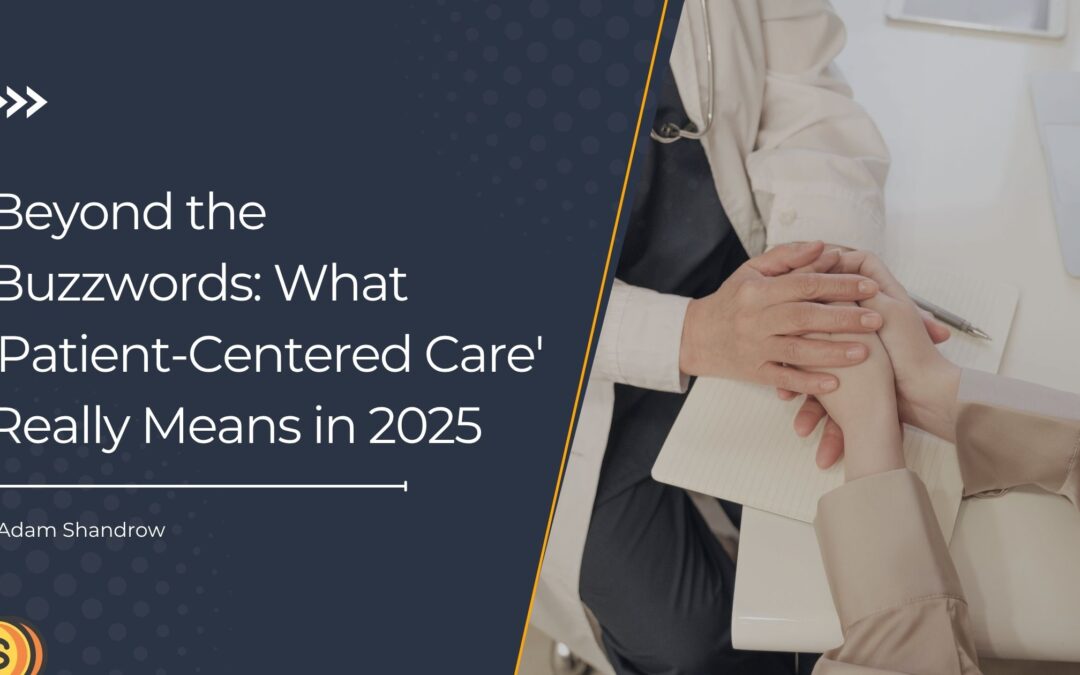
Healthcare is constantly evolving, but some concepts get thrown around so often they lose meaning. “Patient-centered care” is one of them. In 2025, it’s time we unpack what it actually means—and what patients should expect.
It’s Not Just About Smiles and Service
Patient-centered care isn’t just about being nice or having a polished waiting room. At its core, it’s about empowering patients to participate in their own health journey. It’s doctors listening more than they talk. It’s care plans that reflect a patient’s real-world lifestyle, not just textbook guidelines.
Data + Dignity
Today’s best care providers balance clinical data with emotional intelligence. With wearable tech, AI-driven diagnostics, and personalized medicine, we can track almost anything. But none of that matters if patients don’t feel heard. Data should guide care—not replace human connection.
Access Is Everything
If patients can’t access the care they need, it’s not patient-centered. This means shorter wait times, digital appointments, and multilingual staff. It means extending care beyond the hospital walls—into communities, homes, and mobile devices.
A Culture Shift in the Industry
To make true patient-centered care the norm, healthcare systems need more than new tech. They need new mindsets. Training staff to embrace empathy, updating outdated workflows, and designing with the patient experience in mind—these are the things that turn buzzwords into reality.
Final Thought
In 2025, patients should expect more than convenience. They should expect care that’s collaborative, respectful, and personalized. Because when the system centers around the human—not just the condition—everyone wins.