
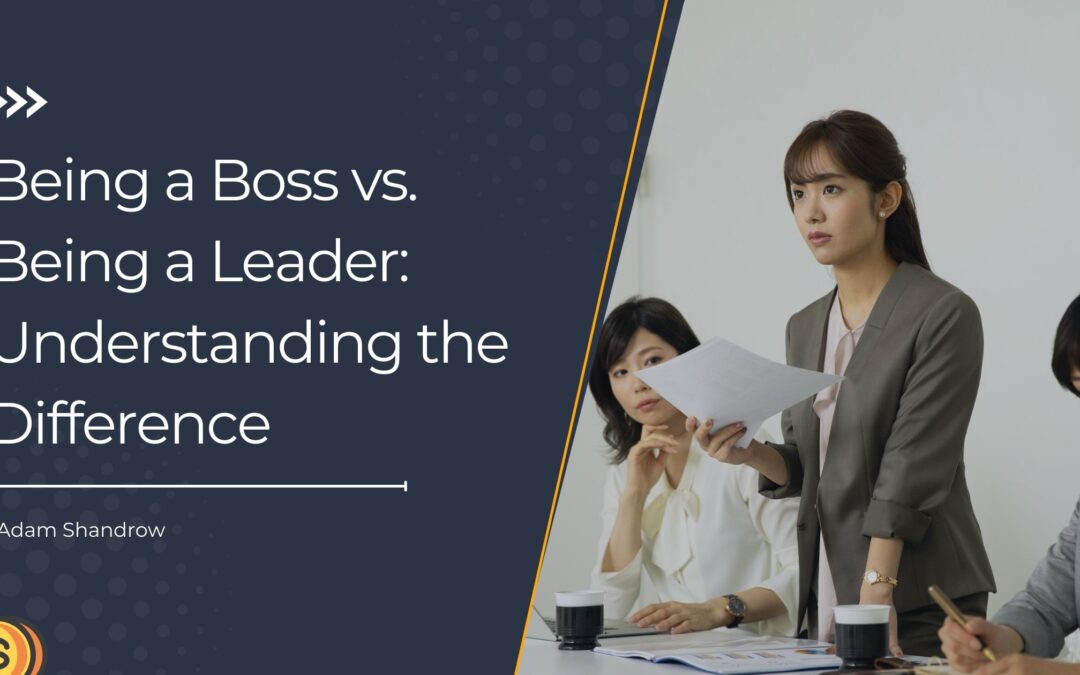
In the workplace, the terms “boss” and “leader” are often used interchangeably, but there’s a significant difference between the two roles. While both may oversee teams and guide operations, how they interact with their teams and drive performance is fundamentally different. Understanding these distinctions can help you shift from merely being a boss to becoming a true leader.
The Boss: Authority-Based Leadership
A “boss” is typically someone who holds a position of authority, often based on hierarchy or tenure. Their approach to leadership is often centered around control and oversight. While bosses may direct tasks, set deadlines, and enforce policies, they are typically more focused on maintaining power and ensuring compliance.
Characteristics of a Boss:
- Directive: A boss often tells employees what to do and expects them to follow orders.
- Top-Down Control: A boss may operate with a clear hierarchical structure, making decisions from the top and expecting subordinates to execute them.
- Focus on Tasks: Bosses tend to be more focused on getting tasks done rather than nurturing the team or fostering individual growth.
While this style of leadership can work in certain contexts, it often leads to disengaged employees, lack of creativity, and high turnover. Bosses may not always build strong relationships with their teams, which can result in a lack of loyalty and trust.
The Leader: Influence-Based Leadership
In contrast, a “leader” doesn’t rely solely on authority or position to inspire action. Instead, they build trust, motivate employees, and encourage collaboration. Leaders lead by example, inspire passion, and focus on developing their teams, not just completing tasks. Leadership is about guiding others toward a common vision and helping them grow both personally and professionally.
Characteristics of a Leader:
- Inspirational: Leaders motivate and inspire their teams, helping them see the bigger picture.
- Collaborative: Leaders foster open communication and encourage feedback, working alongside their teams to achieve goals.
- Focus on People: Leaders are more concerned with the well-being and development of their employees, providing opportunities for growth and mentorship.
While a boss focuses on authority and results, a leader focuses on building relationships and creating an environment where everyone can thrive. Leaders recognize that when people feel valued, they are more likely to be engaged, creative, and loyal.
Key Differences at a Glance:
| Aspect | Boss | Leader |
| Approach to Power | Authority-based | Influence-based |
| Focus | Tasks and control | People and development |
| Relationship | Directive and transactional | Supportive and collaborative |
| Leadership Style | Top-down, commanding | Bottom-up, empowering |
To transition from being a boss to a leader, it’s important to start focusing on building trust, developing your team’s skills, and inspiring them to share in the organization’s vision. By leading through influence and example, you’ll foster an environment where employees feel empowered, engaged, and driven to succeed.